Wednesday, 6 August 2014

Pakistani Food Recipes Images Pictures Chicken Biryani Names Recipes in Urdu Chicken Dishes Recipes in English Menu

Irish Food Recipes

Source:- Google.com.pk
Almost everyone when asked about Irish food mentions two things – Irish Stew and Corned Beef with Cabbage. And almost every visitor to Ireland is surprised to find that neither features all that commonly on restaurant menus!
In fact corned beef is not traditionally Irish at all – but Bacon and Cabbage is.
That isn’t to say that such dishes are no longer eaten, they are, but they are homely dishes, served to family, rather than ones which would be chosen on an evening out. And so their appearance on a restaurant menu is a rarity.
Most traditional Irish foods use simple, basic and cheap ingredients, a reminder of the fact that they originated in a less affluent past. Many have been given a modern twist by a new generation of chefs or incorporated into dishes that better suit the tastes of a more widely travelled population.
Traditional Irish recipes tend to be very simple, with just a few ingredients in most cases. This should be no surprise – it was the food of the poor and they did not have a huge range of exotic ingredients available to them.
So when you come across, as I did recently, a recipe for Irish Brack that included peaches, apricots, prunes and pumpkin pie spices, you can be sure that there is nothing Irish about it – the previous generation of cooks in Ireland would never have heard of some of those ingredients, much less been able to obtain them!
There is a tendency to take any recipe at random, add a dollop of whiskey and then append the word Irish in front of its name! I have even seen it mentioned – horror! – in recipes for bread. Truth is that Whiskey is not much used in traditional Irish recipes – the Irish always preferred to drink it rather than cook with it!
Guinness is a little different – for many years the Irish considered it to be not so much a drink or even a food but a whole food group all of its own! While it may not be traditional in cooking in the sense of going back centuries, it has been used for quite a long time in stews and as a marinade. But again, taking any old recipe and adding Guinness to the mix does not magically turn it into an Irish recipe.
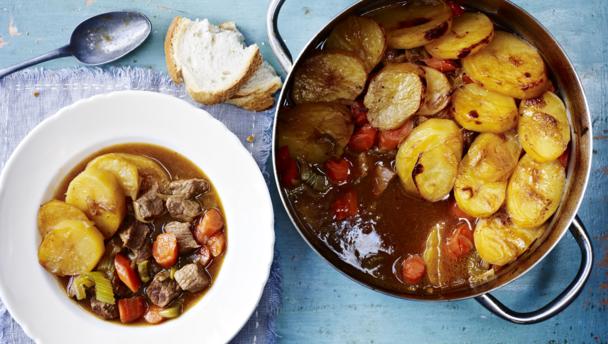
Irish tradional cuisine is a peasant cuisine and food in a poor household is never wasted. There is nothing that illustrates this so well as the pig. Few ordinary Irish households in the past would have eaten beef – this was a food for the rich – but many kept a pig and it is said that they ate every part of it except for the grunt.
Crubeens (pictured top) or pigs trotters, tripe (pigs stomach) and drisheen (a blood sausage) were all popular dishes and are still eaten in parts of the country, notably Cork.
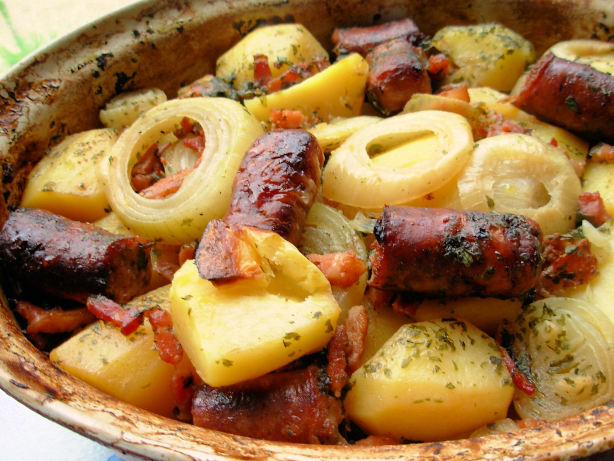
Irish people are still extemely fond of their fried breakfast, which always includes pork sausages, bacon rashers and black pudding (another type of blood sausage).
The killing of the pig was a ritual in which neighbours came together to complete the work, with everyone getting a parcel of meat to take home. In that way each time a pig was killed, several families had food. Since there was no refrigeration, what was not eaten fresh was cured or salted and hence bacon became a very important part of the Irish diet.
When times are hard free food is a real bonus and there is and was (and is) plenty of it available in the woodlands and around the shores of Ireland.
Summer is berry time and wild blackberries are abundant throughout Ireland as are rosehips and wild strawberries.
The wet warm weather of late summer and early autumn brings mushroom season and wild mushroom can be found in large amounts in both woodland and on pasture, especially following a good rain shower on a warm day.
A little later there are nuts aplenty, in particular hazel and beech nuts and crab apples ripen.
All year round nettles, dandelions and thistles are readily available and very nutritious while elderflowers were (and are) used to make excellent wine or cordial. By the coast there is samphire and various types of edible seaweed.
Rocks along the shoreline are often dense with mussels.  Crabs and shrimp can simply be picked from rock pools when the tide goes out and limpets, clams and periwinkles are also there for the taking
Not surprisingly all of these ingredients feature in traditional dishes.
It’s impossible to talk about Irish food without mentioning the potato. They first saved us then almost destroyed us in history, but there are few households where the potato is not still a staple and anyone who makes even a basic stab at growing vegetables will plant a few spuds in their patch.
They are eaten boiled, mashed, fried, chipped and baked, mixed with cabbage or scallions to make colcannon or champ, made into potato cakes and used to top pies and thicken soups or stews.
It’s not uncommon to find potatoes cooked two ways on the same dinner plate.
It’s not all about dinner either. The snack that Irish people miss most when they are overseas is Tayto, an Irish brand of potato crisps (or potato chips). There is even a Tayto theme park! And no night out on the town is complete without a feed of chips (or fries) liberally seasoned with salt and vinegar on the way home to soak up the alcohol!
Irish people are fussy about their potatoes. Typically a supermarket will stock at least 5 or 6 different varieties, often more, with the varieties changing depending on the season and each suited to a particular method of cooking.
Of all foods, the humble spud is certainly the most traditional. We may not be dependent on them in the way we were in the past but there are a lot of Irish people for whom a dinner without potatoes is not a dinner at all.

Pakistani Food Recipes Images Pictures Chicken Biryani Names Recipes in Urdu Chicken Dishes Recipes in English Menu

Pakistani Food Recipes Images Pictures Chicken Biryani Names Recipes in Urdu Chicken Dishes Recipes in English Menu

Chinese Food Recipes
Source:- Google.com.pk
The Chinese people have had their imaginations challenged by a series of food and drug safety scares. In a little over a decade, we have seen alcohol which is actually methanol; seafood soaked in formalin; the Fuyang milk-formula scandal, the Sudan Red scare, the melamine scandal, “gutter oil”, and gelatine rendered out of used shoe leather. Now even the capsules used to deliver drugs have been found to contain toxins.

None of us can be certain that any foodstuff or drug is safe, from baby milk powder through to cooking oil. Nor can we be sure that any company – be it a backstreet workshop or a big state-owned firm – is producing safe food and drugs. Consumers were originally shocked. Now, they are simply numb. It seems the Chinese have got used to poisoning each other. 

It is the nature of the problem itself that has allowed it to become so widespread. China’s food and drug safety problems are structural, caused by a number of different factors and actually exacerbated by the system. No single response to any one incident will provide a solution. 

First, let’s take the economics of food safety. We must ask the most basic of questions: why do companies manufacture and use toxic foods and drugs? Why do even officially registered companies, even those of considerable size, do so? The answer lies with our overall economic structure. 

In China, sectors such as energy, heavy industry, chemicals and communications, often very profitable, have high barriers to entry in order to protect the interests of state monopolies. There is little space left for private firms and small and medium enterprises (SMEs) – and when too many companies chase the limited opportunities remaining, excessive competition results. 

In the food and drug sectors, the financial and technical barriers to entry are low. This creates a structural problem: companies tend to be small, scattered, of low quality and unable to innovate. And so they compete dishonestly. Excessive competition leads to a race to the bottom, with costs being cut through fakery and inferior products. Any firms that actually care about safety become less competitive and eventually go under. 
Not only does the bad money drive out the good, food and drug manufacturers are under a massive tax burden. From ordinary taxation (higher than in other nations), to more China-specific costs including road and bridge tolls, business registration and inspection fees
 – profits are wrung out at every stage of the food industry. Before a food or drug reaches the consumer, huge additional costs are incurred for raw materials, transportation, production, distribution and retailing, preventing both manufacturers and retailers from growing. With food and drug supply chains becoming more complex and the market more open, those burdens are passed onto the consumer by fair means (increased prices) or foul (cheap but toxic products). Most countries monitor food safety at the farm and the factory. But in China food safety issues can arise anywhere. 
Second, there’s government regulation: a developing market economy and continued government involvement in that market mean greater government ability to obtain income. But ability to manage has decreased. There have been obvious legislative successes: the Food Safety Law, the Drug Control Law and the Regulations on Supervision and Management of Medical Equipment have all been promulgated, and a number of national standards are now in line with international practice. 
But these ever more detailed laws have failed to improve food and drug safety. The problem is implementation. Several government departments are responsible for food safety, and powers and responsibilities are fragmented. The Ministry of Health is in charge of overall coordination and risk evaluation; the Ministry of Agriculture covers agricultural products; the General Administration of Quality Supervision, Inspection and Quarantine monitors imports, manufacturing and processing; the Drug Supervision Administration is in charge of medicines; while food products on the market are mostly the responsibility of the industrial and commercial authorities. 

This leads to two problems. One, overlapping supervision increases costs for the companies. And two, when problems arise, the authorities pass the buck. Fees are taken – but not responsibility. Both of these problems make it harder to guarantee food safety. On a trip to America, former premier Zhu Rongji paid a visit to the US Food and Drug Administration, a powerful government agency that has been in existence for a century. On his return to China, Zhu set up a similar body in China, but for various reasons it failed to play its hoped-for role and was broken up. 

Major design flaws at the top worsen problems with implementation at the grassroots. Laws and national standards are not, generally, strictly enforced. Local officials lack motivation to enforce these rules and often act on behalf of dishonest companies as much as on behalf of the state. National law becomes the basis on which those officials draw benefit from business – in exchange, laws are laxly enforced, or simply ignored. This extra cost for the companies may then be passed on to the consumer in the form of lower-quality products.

Local officials become part of the low-quality food chain and share in the profits. Naturally, they have no interest in eliminating the problem. This is not just apparent in the food and drug sectors. The recent cases of pyramid scheme fraud in Beihai and Nanning, the sex industry in the Pearl River Delta – these sorts of problems are also  tied up with the interests of local officials. Government aims and objectives are not implemented and so governance fails. Worse, with this culture already entrenched, strengthening enforcement in any one area actually gives officials more power to extract benefit – creating the opposite effect to that intended. The more invested in enforcement, the more power the officials have, and the less effective governance becomes. 
Finally, there’s consumer and public oversight. China’s particular policy and legal environment cannot meet the political needs of a modern society and citizenry. Media supervision and public participation are limited, non-governmental supervisory groups cannot act, self-regulation by industry groups is underdeveloped and public law suits against food and drug firms fail to get through the courts. The food and drug industries lack the pressure of social oversight, and so the final and most direct line of defence is lost – and safety problems just get worse. 

Our lives are determined by the systems we live in. In China food and drug safety isn’t just a question of economics. It is also a matter of regulation, and more, a matter of our political and legal system. Management of these structural issues without overall reform, with just the blind expansion of enforcement powers, will be useless. 

Changing this system through economic, administrative, social and legal channels needs the continued participation of the victims – the citizen as consumer. And this participation must extend beyond supervision and enforcement in the food and drug sectors into all other areas: demanding economic justice, breaking up monopolies and widening market access; shutting down production, pursuing criminal liability, and demanding huge punitive damages; seeking judicial independence, improving law and regulations, expanding legislation, and promoting the rule of law; launching citizen movements, establishing NGOs, and promoting political reform. 

Only widespread participation and overall reform can provide hope for a complete resolution. This will be no easy path to take, but when it comes to structural problems there are no short cuts. 
Pakistani Food Recipes Images Pictures Chicken Biryani Names Recipes in Urdu Chicken Dishes Recipes in English Menu

Tuesday, 5 August 2014

Pakistani Food Recipes Images Pictures Chicken Biryani Names Recipes in Urdu Chicken Dishes Recipes in English Menu

Healthy Food Recipes
Source:- Google.com.pk
Eating well helps keep us healthy and active and thus improves our enjoyment of life. Good diets and eating habits are fundamental for proper growth and development and for the prevention of disease. A number of different and very serious health problems are caused by poor diets and poor nutrition. Many of these problems handicap people for their entire lives; some of them lead to death. Learning how to meet our nutritional needs throughout life by making good food choices for a healthful balanced diet can help us avoid or prevent many of these health problems. Eating well for good health requires a basic knowledge of foods and the nutrients they provide and an understanding of our nutritional needs throughout the various stages of life. With this knowledge we can practice good, life-long eating habits that will help us be as healthy as we can be.
A healthy diet is one of the best tools for managing diabetes. A regular schedule of meals or snacks that includes the right nutrients, in the right amounts, will help keep glucose levels, blood pressure, cholesterol levels, and weight under control. But consistently eating well can be a challenge. And no single diet is right for everyone. That is why it is important to identify individual needs and preferences and plan accordingly. These tips can help:
Make a plan – With your doctor or dietitian, create personal guidelines for your daily diet, including amounts and kinds of foods, frequency and times to eat, and whether weight maintenance or weight loss is one of your objectives. Be sure to consider medications, including insulin, and exercise when you make your plan.
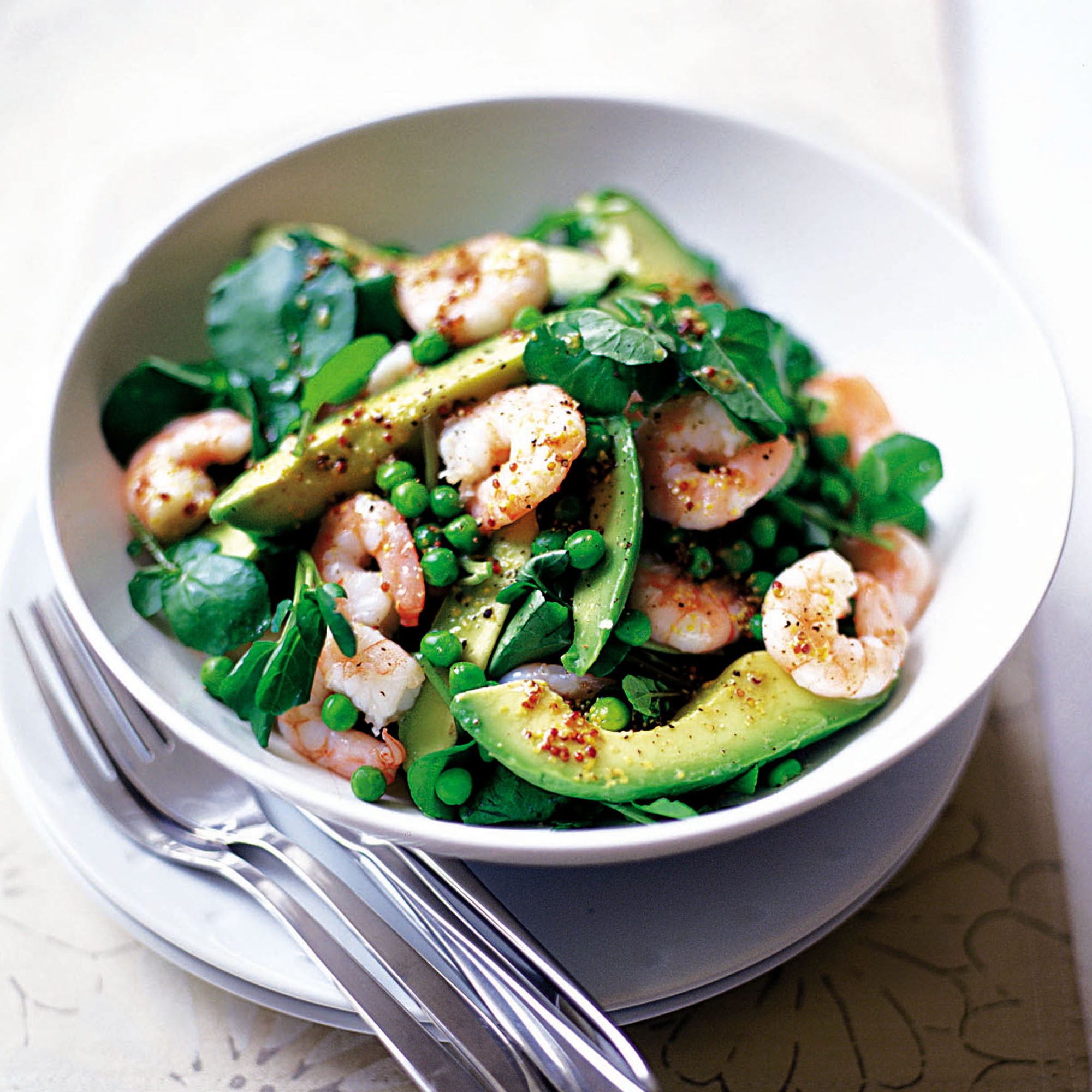
Eat a balanced diet – Choose from all of the food groups, including vegetables, fruits, lean meat, fish and poultry, beans, low – fat dairy products, and whole grains.
Check portion size – If you are trying to lose weight, cut back on the portion size to help reduce calorie intake. To learn more on Portion Control,
Increase meal/snack frequency – Spread your calorie intake throughout the day with small, more frequent meals and snacks to help keep glucose levels steady.
Choose low – glycemic index carbohydrates –The glycemic index (GI) is a value assigned to foods based on their effects on post – meal blood glucose levels. For example, foods with a low GI, such as lentils, prunes, or apples, will be digested and absorbed more slowly than white rice, baked potatoes, or other high GI foods. Foods high in mono unsaturated fatty acids (MUFA), such as nuts, cashews, avocados, olive oil and canola oil, also have a low GI. Diets high in MUFA may have beneficial effects on blood lipid levels compared to a high carbohydrate diet.
Monitor your diet regularly – Keep a diary to track the kinds and amounts of food you eat, along with your glucose levels and weight – see how the foods in your diet influence glycemic control and weight management.
Pakistani Food Recipes Images Pictures Chicken Biryani Names Recipes in Urdu Chicken Dishes Recipes in English Menu
Pakistani Food Recipes Images Pictures Chicken Biryani Names Recipes in Urdu Chicken Dishes Recipes in English Menu
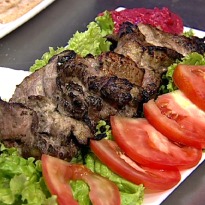

Pakistani Food Recipes Images Pictures Chicken Biryani Names Recipes in Urdu Chicken Dishes Recipes in English Menu

Pakistani Food Recipes With Pictures

Source:- Google.com.pk
Who is not fond of searching delightful and appetizing recipes? Surely, it is a pass time for every good mother as well as all those who love to eat delicious and healthy food. Everyone gets fed up of eating same kind of stuff each day. Everyday people, especially young ones, want something tasty as well as new to eat. Since, it is said, there is a solution for every problem therefore, this question also has an answer. To give your family delicious yet healthy diet every day, you should try to get your hands on the internet. From there you would find a huge list of recipes which are only a few clicks away. There you would find so many kinds of cuisines like Italian, Thai, Chinese, Mexican, Indian, English and many others, but the taste of the Pakistani recipes would be found nowhere else in the world. People in Pakistan and outside the country, simply love the way the traditional recipes are made and add taste to the lives of so many.
When it comes to search mouthwatering recipes for your family, you can better search for all the cooking recipes in Urdu or simply Pakistani recipes. It brings variety of recipes in front of you. You can then select the one that suits you according to your taste, mood, feasibility and affordability.
Though there is a huge list of very popular Pakistani dishes but some that are cooked and enjoyed in all seasons are Biryani, Shami Kababs, Seekh Kababs, Haleem, Koftay, Nargisi Koftay, Chapli Kabab, Sindhi Biryani, Nihari, Paye, Murgh Chanay, Chicken Karahi, Mutton Qorma, Sajji and so on.
Besides all these dishes, people of Pakistan are now very well aware of other cuisines and they love to have Chinese dishes as well. In fact, there are many Chinese restaurants in Pakistan where the quality of food is excellent.
Anyhow, whatever the cuisine is, it tastes good only when it is cooked well. Thus, whatever recipe you select from the long list of Pakistani recipes, don’t forget to cook it properly as per the directions written or shown in the recipe. Don’t ever add anything as per your estimation because it can ruin the entire recipe in the end. All the recipes over the net are available either directly by the famous chefs or after consulting the senior chefs, that’s why you are not supposed to add anything by yourself in to any recipe. Otherwise, you would end up with a mess and nothing else.
Pakistani Food Recipes Images Pictures Chicken Biryani Names Recipes in Urdu Chicken Dishes Recipes in English Menu

Pakistani Food Recipes Images Pictures Chicken Biryani Names Recipes in Urdu Chicken Dishes Recipes in English Menu

Pakistani Food Recipes In Urdu

Source:- Google.com.pk
Pakistan is a country that is situated in northwest of India and is also neighbor to China and Afghanistan. Similar to its official language Urdu, the cuisine of Pakistan is greatly influenced by its neighboring countries. Being a Muslim dominated state, the food and cuisine theme follows the Islamic values and principles. We Muslims are forbidden to consume un- Halal food like pork or indulge in alcoholic beverages. Animals for meat are properly slaughtered following the Islamic rules to ensure the availability of Halal meat for everyday cooking. Reciting Bismillah and Dua is obligatory before we start eating in order to request Allah to sanctify the food we are going to eat.
Breakfast nowadays is more modern with eggs, bread, pancakes or the likes, however traditional Pakistani dishes for breakfast include parathas, halwa puri or Nihari – derivative from the word ‘Nihar’ that means “on empty stomach” or “first thing in the morning”. Nihari is a rich dish that is slow cooked with meat and other spices overnight topped with coriander, chopped green chilies and thinly sliced ginger and served with nan.
Although the food is simple and usually based upon meats like beef, mutton and chicken, vegetables, pulses and grains- Pakistani food is spicy and generously flavored. Someone might think that there is no difference in a chicken biryani or chicken pulao as both consist of basic ingredients i.e. rice and chicken; but when you take a bite, you will relish the distinct flavors and the unique aromas of both. Traditionally biryani is comparitively more spicy and zesty compared to its counterpart and very often served at events like weddings and parties along with karahi gosht, kheer decorated with almond slivers, raisins and crushed pistachios. Other festive dishes like qorma, paye and nargisi kofta are familiar delicacies.
Pakistani cuisine is majorly inspired by the Mughal style of cooking- that migrated from India along with the migrant Muslims. The mouthwatering Tandoori chicken, murgh musalam served with till Nan and the delectable Shahi tukre or Zarda for dessert.
Besides these special dishes, the usual part of a Pakistani dastarkhwan are the Daal masoor, Tahiri,steamed rice or Chapati served with Hari chutni and kachoomar salad. Oh and how can I forget the scrumptious Shami kabab and  vegetable bhujias. Among the beverges chai or lassi are the top favorites while Ganne ka ras in summer and kastoori doodh in winter are also popular beverages.
The present times have seen the advent of exotic continental dishes from all over the world and taking the Pakistani cuisine by storm. From Chicken Chowmien to Chopsuey, lasagna to Californian style pizzas’ and dishes ranging from Mexican to Texan to Thai, more and more restaurants are featuring similar special dishes on their menus. Nevertheless Pakistani dishes are always part of the “carte du jour”!
On holidays and religious events like Eid and Ramazan, pakore, different types of kababs and sheer khorma with dates, raisons and sliced coconut are very much loved for lunch and/or dinner. Qeema,Dal makhani, Karhi, seekh kabab- there are so many dishes to name that are mouthwatering and truly depict the Pakistani cuisine.

Pakistani Food Recipes Images Pictures Chicken Biryani Names Recipes in Urdu Chicken Dishes Recipes in English Menu
 
Pakistani Food Recipes Images Pictures Chicken Biryani Names Recipes in Urdu Chicken Dishes Recipes in English Menu